
Living With a Fissure
Living with a fissure can be frustrating and disruptive. This page brings together practical support for food, bowel-movement routines, relaxation, travel, and mental wellness to help make everyday life feel a little more manageable while you heal.
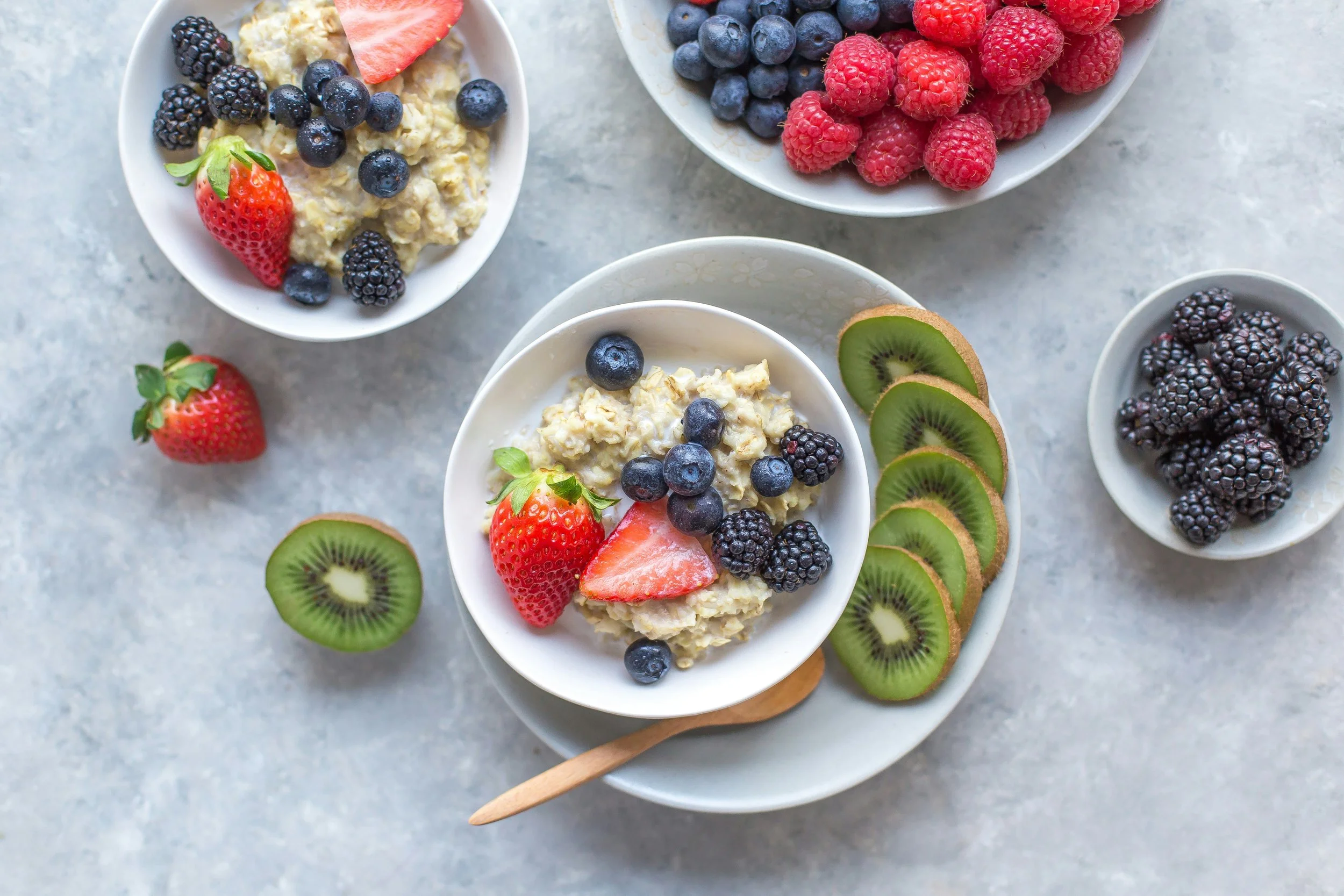
Food + Hydration
One of the most helpful goals during fissure recovery is keeping bowel movements soft, formed, and easier to pass. Food, fluids, and consistent routines can all play a role
Fiber
Fiber can help keep stool softer and easier to pass, but increasing it too quickly can sometimes cause bloating or make stools feel bulkier. Start gradually, focus on fiber-rich foods you tolerate well, and pay attention to what keeps your bowel movements soft and comfortable.
Hydration
Fluids help support softer, easier-to-pass stool and work alongside fiber to support regular bowel movements. Aim for half your body weight in ounces, steady hydration throughout the day rather than trying to drink large amounts all at once.
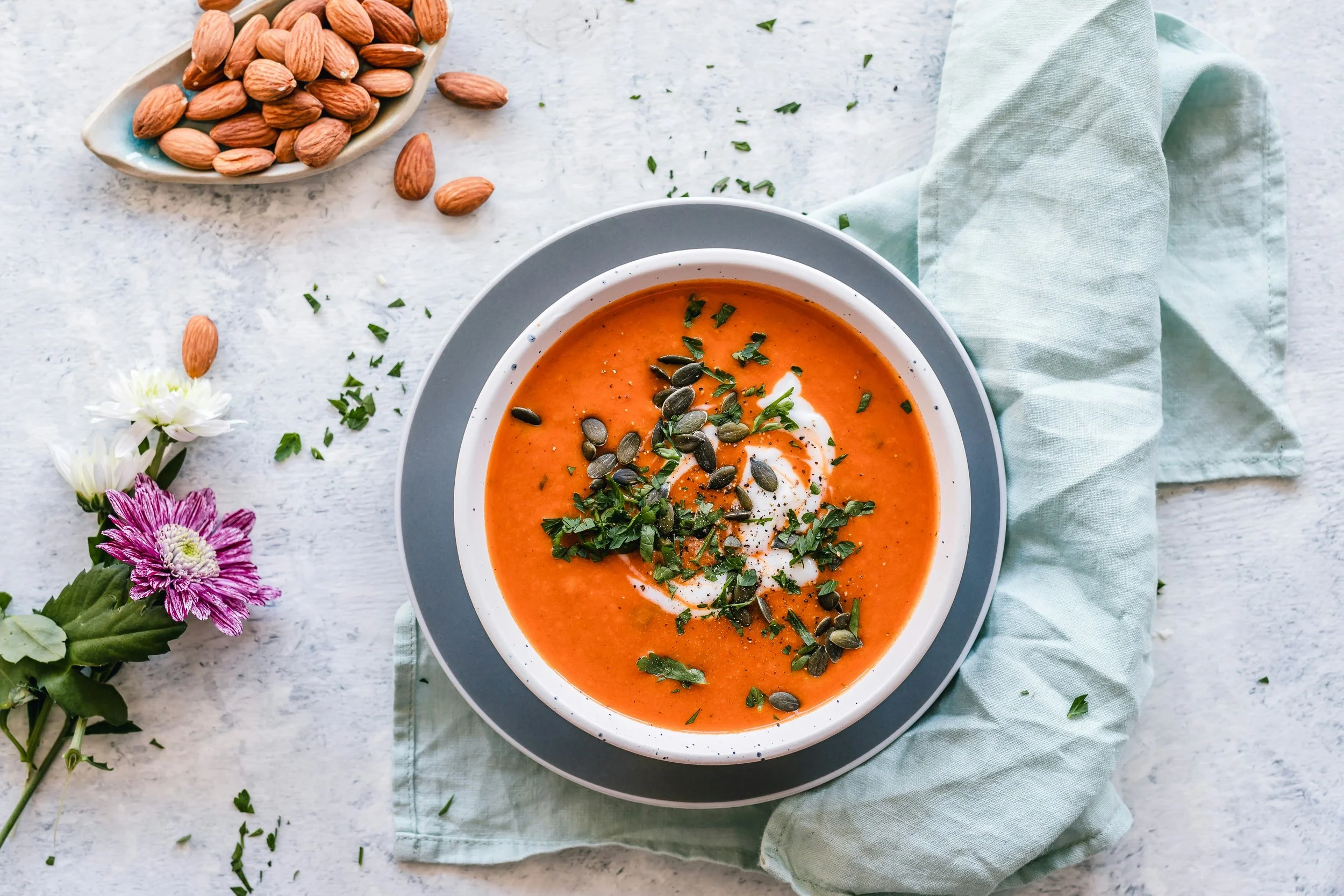
Flare friendly Foods
During a flare, simple, familiar foods can make eating feel less stressful. Focus on meals that help you stay nourished and support soft, comfortable bowel movements without making your routine overly restrictive.
More fiber isn’t always better.
Increasing fiber too quickly can sometimes cause bloating or make stool bulkier. The goal is not simply “more fiber,” but finding the amount and types of foods that help keep your bowel movements soft, formed, and comfortable.
Creating a Gentler Bowel-Movement Routine
When bowel movements become associated with pain, it’s common to tense up, rush, hold your breath, or strain. A gentler routine can help reduce pressure on the fissure and make the experience feel more manageable.
1. Go when your body is ready
Try not to ignore the urge to have a bowel movement for long periods. Holding stool can sometimes make it harder and more difficult to pass.
2. Set yourself up comfortably
Give yourself enough time, support your feet if that feels comfortable, and focus on a relaxed position rather than pushing or forcing.
3. Breathe instead of strain
Slow breathing can help reduce bracing and muscle tension. Try exhaling gently rather than holding your breath and bearing down.
4. Care for yourself afterward
A warm bath or sitz bath may help soothe discomfort and relax the anal sphincter after a bowel movement. Avoid repeated wiping or anything that further irritates the area. Keeping stool soft and avoiding straining are commonly recommended.
The goal isn’t to make every bowel movement perfect.
It’s to reduce the cycle of fear, tension, straining, and reinjury as much as possible.